
Seasonal Bee Activity and When Pest Control Is Most Effective
Understanding seasonal bee activity and when pest control is most effective helps you connect with local service providers who can safely and efficiently handle bee removal during peak times.
Understanding seasonal bee activity and when pest control is most effective can be crucial for property owners looking to maintain a safe and comfortable environment. Bees tend to become more active during certain times of the year, which can impact outdoor spaces, gardens, and even building exteriors. Recognizing these patterns helps property owners decide the best moments to address bee-related concerns and prevent potential issues before they escalate. Local contractors specializing in seasonal bee control are equipped to provide timely solutions tailored to the specific needs of the area, ensuring that any bee activity is managed safely and efficiently.
For those considering pest control options, knowing when bees are most active can make a significant difference in the success of treatment efforts. Timing treatments appropriately can lead to more effective results, reducing the likelihood of recurring problems and minimizing disruption. Local service providers experienced in seasonal bee control understand these seasonal fluctuations and can offer expert advice on the optimal periods for intervention. Exploring this topic can help property owners make informed decisions, ensuring their outdoor spaces remain safe and bee activity is managed in a way that respects local ecosystems.
- Seasonal bee activity and when pest control is most effective can vary throughout the year, prompting homeowners to seek expert assistance during peak times. Local contractors often recommend scheduling treatments in early spring or late summer when bee populations are most active. During these periods, experienced service providers use targeted methods to safely remove or manage bee nests. Understanding seasonal patterns helps local pros determine the best approach for controlling bee activity effectively. Contact local service providers to learn how they can assist with seasonal bee control needs based on local bee activity patterns.

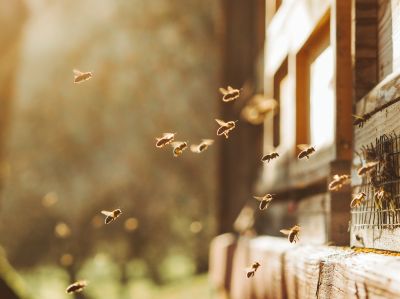
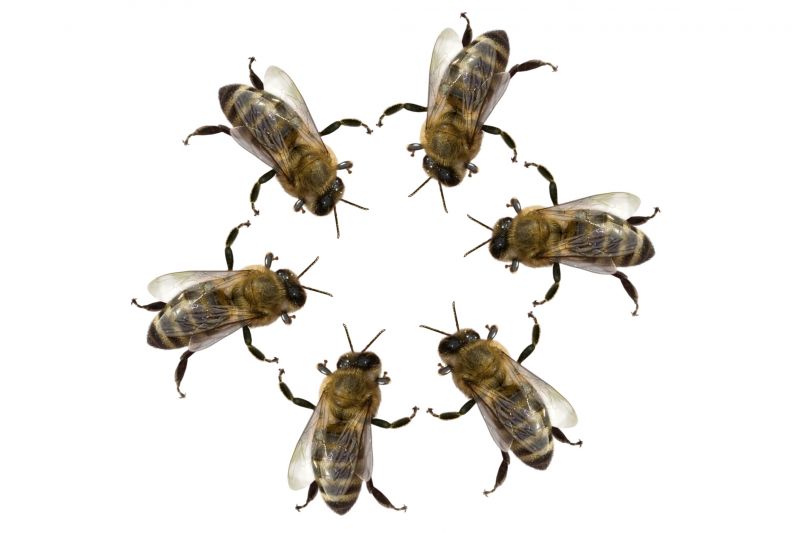
Understanding seasonal bee activity and when pest control is most effective involves recognizing how bee populations fluctuate throughout the year. Many homeowners search for this topic when they notice an increase in bee activity around their property, especially during certain times of the year. This can relate to plans for removing or managing bee colonies that pose a risk to people or pets, or simply to prevent future infestations. Property types commonly affected include residential homes with yards, commercial properties like restaurants or parks, and even agricultural sites where bee activity can impact crops. Knowing the seasonal patterns helps homeowners decide the best time to seek assistance from local contractors who specialize in bee control, ensuring that interventions are timed for maximum effectiveness.
People often associate this topic with concerns about safety, property damage, or the need for pest management strategies. For example, a homeowner might notice a hive forming in a tree or under a porch and want to address it before it becomes a larger problem. Others might be planning outdoor events and want to ensure bees won’t interfere or pose a danger. Seasonal bee activity is closely tied to the lifecycle of bees, with populations swelling in spring and summer, then declining in fall and winter. Pest control professionals experienced in bee management can provide guidance on the most appropriate treatment times, helping to reduce bee populations safely while minimizing disruption during peak activity periods.
The types of properties most often involved in discussions about seasonal bee activity include residential yards, commercial landscapes, and agricultural areas. In residential settings, bees may establish colonies in wall voids, attics, or tree branches close to homes. Commercial properties with outdoor dining spaces or landscaped grounds frequently encounter bee activity that can affect customer experience or safety. Agricultural properties, especially those with flowering crops, might see increased bee movement during flowering seasons, which can influence pest control timing. Local service providers who specialize in bee control are equipped to handle these various property types, providing tailored solutions that fit the specific needs and risks associated with each setting.
Timing is a key factor when it comes to effective pest control for bees. The most successful treatments often occur when bee populations are at their peak or just beginning to decline, typically in late spring through summer. During these periods, local pros can implement control measures that reduce colonies before they grow too large or become more difficult to manage. Understanding seasonal patterns allows property owners to plan ahead and work with experienced contractors who can recommend the optimal time for treatment. This approach not only helps in managing existing bee activity but also in preventing future problems, ensuring that interventions are both safe and effective during the times when bees are most active.
Wildlife Removal - professionals specializing in removing various nuisance animals can address bee infestations that occur during peak seasonal activity, ensuring safe and effective removal methods.
Pest Inspection Services - local contractors offering thorough inspections can identify signs of bee activity and recommend optimal times for pest control treatments based on seasonal patterns.
Hive Removal - experts skilled in hive extraction can safely eliminate bee colonies during active seasons, minimizing disruption and preventing future infestations.
Exclusion Services - specialists providing sealing and barrier installations help prevent bees from re-entering structures during times of high activity.
Structural Repair - contractors capable of repairing damage caused by bee colonies can address issues that arise during seasonal peaks in bee activity.
Home Maintenance Consulting - service providers offering advice on property upkeep can recommend timing and strategies to reduce bee attractants during vulnerable seasons.
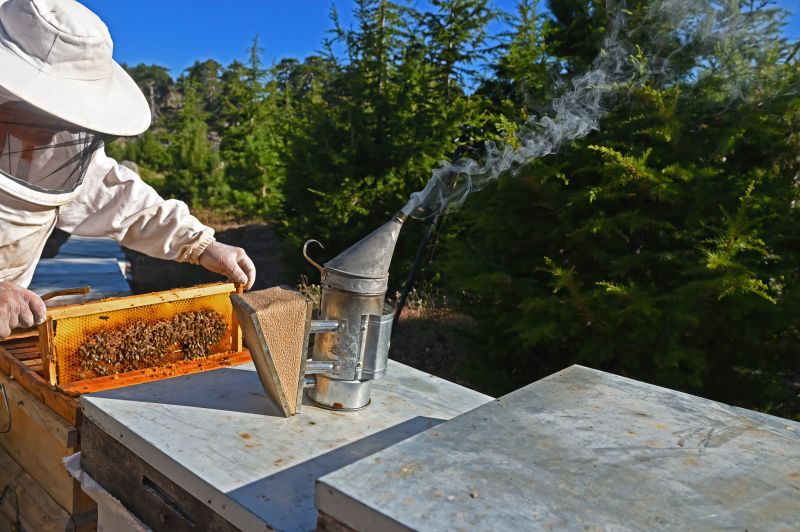
When evaluating service providers for seasonal bee activity and pest control, it’s important to consider their experience with similar projects. Homeowners should look for local contractors who have a proven track record in managing bee-related issues during specific times of the year, as well as understanding the most effective methods for controlling bee activity seasonally. An experienced provider will be familiar with the behaviors and patterns of local bee populations, which can help ensure that the pest control measures are both timely and effective. This background can also provide confidence that the contractor understands the nuances of seasonal changes and how they impact bee activity, leading to better results.
Clear written expectations are essential when comparing different service providers. Homeowners should seek detailed information about what the bee control process entails, including the types of treatments used, the areas that will be addressed, and any preparations needed beforehand. Having a comprehensive outline helps prevent misunderstandings and ensures that both parties are aligned on the scope of work. Reputable local contractors will be transparent about what services they provide and will be willing to explain their approach in plain language, making it easier to make an informed decision based on the specific needs related to seasonal bee activity and pest control timing.
Good communication and reputable references are key factors to consider when choosing a local service provider. Homeowners can benefit from speaking with previous clients or reading reviews to gauge the reliability and professionalism of potential contractors. A contractor who communicates clearly, responds promptly to questions, and provides straightforward explanations about seasonal bee activity and pest control options demonstrates a commitment to customer service. Establishing trust through positive references and open dialogue can help ensure that the homeowner’s expectations are met and that the chosen provider is well-equipped to handle the seasonal nature of bee activity effectively.
Property owners often search for seasonal bee activity and when pest control is most effective when they are planning practical projects around their homes and businesses. Local pros provide Seasonal Bee Control services for everyday jobs and straightforward project options.
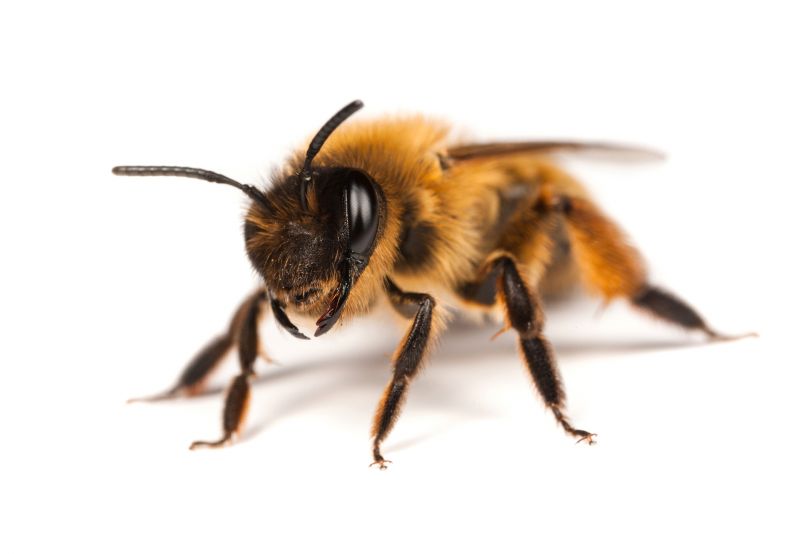
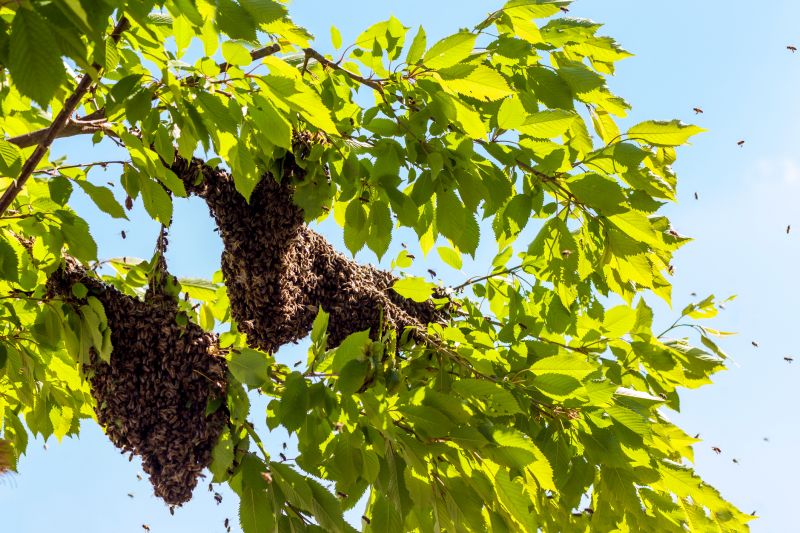
Understanding seasonal bee activity can help property owners recognize the best times to address potential issues with bees around their homes or businesses. During warmer months, bees are typically more active, which can lead to increased sightings of swarms or nests on structures. This heightened activity may prompt property owners to seek the assistance of local contractors who specialize in seasonal bee control services, ensuring that any unwanted colonies are managed safely and effectively before they become more established.
Timing is also an important factor when considering pest control for bees. Pest control efforts tend to be most effective when conducted during periods of peak activity, usually in spring and early summer. Engaging with experienced local service providers during these times can help prevent larger problems later in the season. Property owners often look into seasonal bee control services to maintain safety and protect their property, knowing that professional assistance can make a significant difference in managing bee populations safely and efficiently.
When is seasonal bee activity at its peak? Peak bee activity typically occurs during warmer months, especially in spring and summer, making these times ideal for pest control services to address bee problems effectively.
How does seasonal bee activity impact the timing of pest control treatments? Increased bee activity during specific seasons means pest control efforts are most effective when bees are active, as professionals can better locate and remove nests during these periods.
Are there certain seasons when pest control for bees is less effective? Pest control for bees is generally less effective during colder months when bees are less active or hibernating, so scheduling treatments during active seasons yields better results.
Can local contractors handle bee control during all seasons? Many local service providers are equipped to handle bee control throughout the year, but treatments are often more successful during seasons of high bee activity.
Why should I consider seasonal timing when planning bee pest control? Timing pest control services to coincide with periods of high bee activity ensures more efficient removal and reduces the risk of nests establishing during off-peak times.
Timing pest control efforts - property owners can plan pest control treatments around seasonal bee activity peaks to maximize effectiveness with help from local contractors.
Identifying bee nesting sites - understanding when bees are most active can help property owners work with local pros to locate and safely remove nests before they grow large.
Preventive maintenance strategies - scheduling regular inspections during low activity periods can help prevent bee infestations and reduce the need for aggressive pest control later.
Understanding seasonal patterns - recognizing when bees are less active allows property owners to undertake minor repairs and sealing to prevent future nesting with assistance from local service providers.
If you are thinking about seasonal bee activity and when pest control is most effective for a property, this guide is meant to help you understand this topic, the typical project types, and how different options might fit your plans.
When you are ready, you can use the quote form on this page to share a few details about your project. From there, local pros can review the basics and follow up with options that match what you have in mind.