
Get Beehive Removal in Dupage County, IL
Local contractors in Dupage County, IL, can safely remove beehives from homes, trees, or outbuildings, solving pest problems and preventing property damage.
Property owners in Dupage County, IL, who are dealing with unwanted beehives or swarms often consider professional removal services to ensure safety and property protection. Beehives can pose risks to residents and pets, and they may also cause damage to structures or landscaping if left unmanaged. Exploring local contractors with experience in beehive removal can help homeowners and business owners develop effective plans for addressing these issues promptly and responsibly.
Comparing options among nearby service providers allows property owners to find solutions tailored to their specific needs. Local contractors understand the unique challenges of Dupage County properties and can offer practical guidance for planning removal projects. Continuing to explore available services can assist in making informed decisions for a safe and efficient approach to beehive removal.
- Beehive Removal - When bees have built a hive on a residential or commercial property in neighborhoods around Dupage County, IL.
- Bee Extermination - If a swarm or hive poses a risk to household or business occupants in nearby areas.
- Bee Hive Removal - When a hive has become a persistent nuisance in yards, eaves, or rooflines in local communities.
- Bee Rescue Services - For situations where bees need to be relocated safely away from human activity in areas like Glen Ellyn or Wheaton.
- Bee Colony Removal - When a large colony has established itself in difficult-to-access locations around neighborhoods in the region.

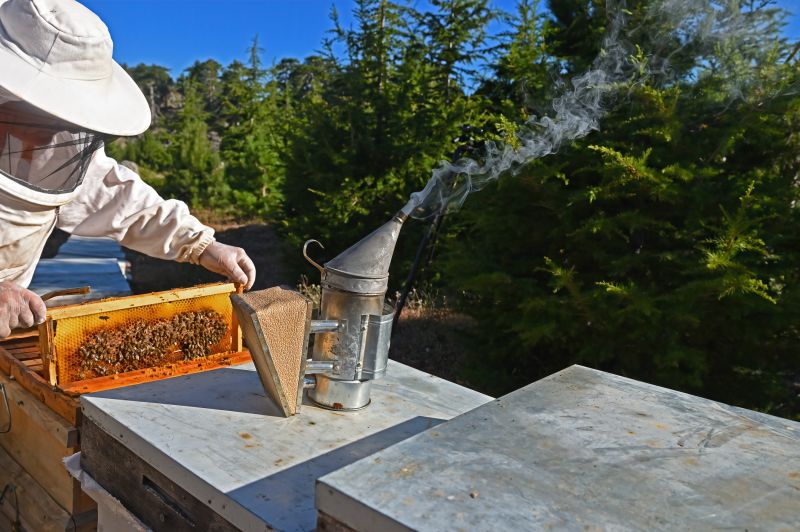

Beehive removal services involve the safe and effective elimination of beehives that have taken up residence on residential, commercial, or industrial properties. These services typically include the careful inspection of the structure to locate the hive, followed by the humane removal of the entire colony. Professionals use specialized tools and techniques to ensure that the hive is removed without causing harm to the bees, especially if they are honeybees, which are vital pollinators. Once the hive is taken down, the area is cleaned and treated to prevent future infestations, helping property owners maintain a safe and bee-free environment.
This service is essential for solving problems related to bee colonies establishing themselves in or around buildings. Beehives can cause structural damage over time, particularly if they are built in wall cavities, eaves, or attics. Additionally, the presence of a hive can lead to increased bee activity, which may pose a risk of stings to residents or visitors. Removing a hive also helps prevent the spread of diseases or parasites that can affect local bee populations. Property owners may seek beehive removal if they notice swarming bees, a persistent hive, or if they are concerned about the safety of children or pets nearby.
Beehive removal services are often used on a variety of property types, including single-family homes, apartment complexes, commercial buildings, and even public spaces. Homes with eaves, soffits, or rooflines that provide sheltered spots are common sites for hive establishment. Commercial properties such as warehouses or retail stores might also require removal if bees settle in loading docks or signage. Public parks, schools, and community centers may need professional assistance when hives are discovered in trees or on structures. These services help ensure that properties remain safe and accessible while respecting the importance of bees in the ecosystem.
Homeowners and property managers should consider beehive removal services when they notice signs of a hive, such as a buzzing sound, a visible cluster of bees, or the presence of honeycomb in hidden areas. Prompt removal can prevent property damage and reduce the risk of bee stings. It is especially important to address hive problems early before the colony becomes large or causes significant structural issues. Connecting with experienced local contractors ensures that the removal process is handled safely and efficiently, helping maintain a safe, bee-free environment on residential and commercial properties alike.
The overview below groups typical Beehive Removal projects into broad ranges so you can see how smaller, mid-sized, and larger jobs often compare in Dupage County, IL.
In many markets, a large share of routine jobs stays in the lower and middle ranges, while only a smaller percentage of projects moves into the highest bands when the work is more complex or site conditions are harder than average.
Small-Scale Beehive Removal - Typical costs range from $250 to $600 for many smaller jobs involving manageable hive sizes in residential properties. Many routine removals fall within this middle range, depending on hive accessibility and location.
Moderate-Size Hive Removal - Larger or more complex projects, such as hives in difficult-to-reach areas or with multiple combs, can cost between $600 and $1,200. These projects are less common but may require specialized equipment or extra labor.
Full Beehive Extraction and Relocation - Complete removal and safe relocation of an established hive often costs from $1,200 to $2,500. Many local contractors handle these jobs regularly within this range, though larger colonies may push costs higher.
Large or Complex Beehive Projects - Extensive or challenging removals, including those involving structural work or multiple hives, can exceed $5,000. Such projects are less frequent and typically involve significant labor and safety considerations.
Actual totals will depend on details like access to the work area, the scope of the project, and the materials selected, so use these as general starting points rather than exact figures.
Wildlife Removal - Local contractors experienced in wildlife removal often handle bee and wasp nest removals, requiring similar planning and safety measures.
Tree Trimming and Pruning - Tree services that involve working at heights and careful planning can be related to bee removal projects that require access to high or hard-to-reach areas.
Rodent and Pest Control - Pest control specialists frequently address nests and infestations in hard-to-access locations, sharing tools and techniques with beehive removal services.
Gutter Cleaning and Maintenance - Gutter cleaning involves working on rooftops and around structures, similar to the access and safety considerations in hive removal.
Roof Inspection and Repair - Roof contractors often work in areas where beehives are located, requiring similar inspection and access skills to safely remove hives.
Storm Damage Cleanup - Cleanup crews working after storms may encounter hives or nests in debris, requiring careful removal similar to beehive services.
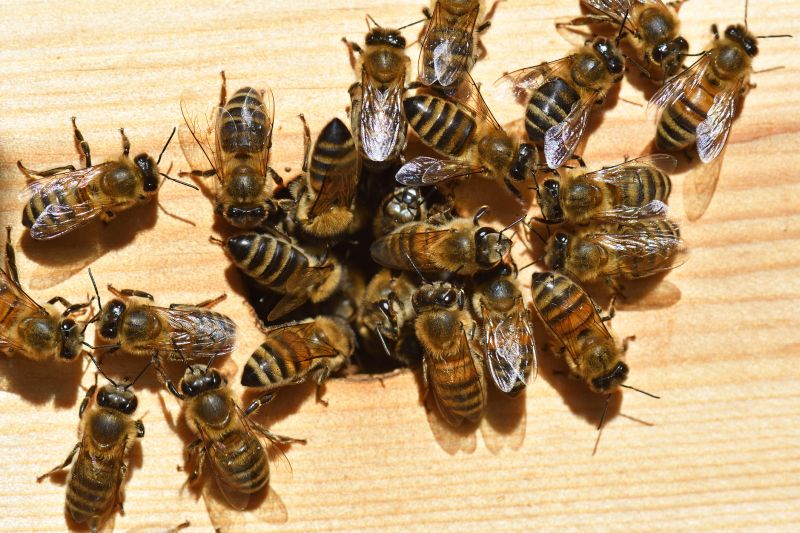
When comparing beehive removal services in Dupage County, it’s important to consider the experience of local contractors with similar projects. Homeowners should look for service providers who have a history of handling beehive removals in residential settings, as this indicates familiarity with the unique challenges these jobs can present. An experienced professional is more likely to understand the best methods for safely and effectively removing a hive while minimizing disruption to the property and surrounding environment.
Clear, written expectations are essential when evaluating potential service providers. Homeowners should seek out contractors who provide detailed descriptions of their services, including what is included in the removal process and any post-removal cleanup or follow-up steps. Having this information in writing helps ensure everyone is on the same page and reduces the chances of misunderstandings or unforeseen costs. It also provides a basis for comparing what different local contractors offer in terms of scope and approach.
Reputable references and strong communication skills are key indicators of a reliable beehive removal professional. Homeowners can ask potential service providers for references from previous clients or look for reviews that highlight their professionalism and quality of work. Good communication ensures that questions are answered promptly and clearly, and that the homeowner feels informed throughout the process. Remember, this site introduces homeowners to local options for beehive removal; it does not perform the work itself. Finding the right local contractor involves assessing their experience, clarity of service details, and their ability to communicate effectively.
Property owners in Dupage County, IL use Beehive Removal services for practical projects around their homes and businesses. This guide focuses on everyday jobs and straightforward project options.
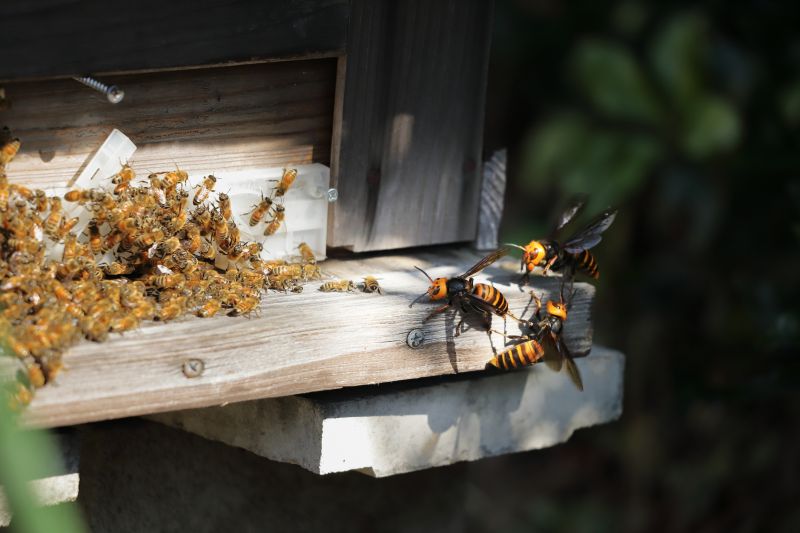

Property owners in Dupage County, IL may seek beehive removal services when they notice swarms or large clusters of bees around their homes, garages, or sheds. These situations can arise during warmer months when bees become more active, often building hives in tree branches, under eaves, or within wall cavities. Homeowners looking to prevent potential damage or safety hazards, such as stings or structural issues, often turn to experienced local contractors who specialize in humane and effective hive removal.
In addition to seasonal activity, property owners might need beehive removal after discovering hives during renovations or landscaping projects. Bees establishing hives in hard-to-reach areas or near high-traffic zones can pose risks to residents and visitors. Local service providers are equipped to handle these situations, offering professional removal that aims to protect both the property and the bee populations when possible.
What are the signs of a beehive on my property? Common signs include visible bee activity around certain areas, honeycomb structures near eaves or trees, and increased bee presence during warm months.
Are beehives dangerous to my family or pets? Beehives can pose risks if disturbed, as bees may sting when threatened. It’s advisable to have a professional handle removal to ensure safety.
What methods do local contractors use to remove beehives? Contractors typically use safe removal techniques, which may include relocating the hive or carefully dismantling the structure to prevent harm to bees and property.
Can I remove a beehive myself? Removing a beehive without proper experience can be risky and may cause harm to the bees or lead to stings. It’s best to consult with a professional service provider.
How do local service providers handle beehive removal in residential areas? Professionals assess the hive location and use appropriate equipment and methods to safely remove or relocate the hive, minimizing disturbance to the property and surrounding area.
Prevent property damage - Removing beehives early can protect structures like roofs, walls, and eaves from potential damage caused by hive expansion or hive removal attempts.
Ensure safety during outdoor activities - Professional beehive removal helps keep yards and gardens safe for children and pets by eliminating unexpected bee activity.
Maintain landscape aesthetics - Clearing beehives from trees or shrubs can improve the appearance of outdoor spaces and prevent bees from nesting in unwanted areas.
Protect local ecosystems - Engaging with experienced service providers supports responsible hive removal practices that minimize disruption to native pollinators and the environment.
If you are thinking about Beehive Removal for a property in Dupage County, IL, this guide is meant to help you understand the work, the typical project types, and how different options might fit your plans.
When you are ready, you can use the quote form on this page to share a few details about your project. From there, local pros can review the basics and respond with options that match what you have in mind.