
Bees vs. Wasps: Understanding the Difference for Proper Pest Control
People searching for bees and wasps pest control want effective removal, and local service providers can identify the insects and safely eliminate nests.
Understanding the differences between bees and wasps is essential for property owners who want to manage pest concerns effectively and safely. While both insects can pose challenges when they build nests near homes or outdoor spaces, recognizing their distinct behaviors and characteristics helps determine the appropriate approach to removal or prevention. This knowledge is especially valuable for those living in areas where these insects are common, as it can influence decisions about when to seek professional assistance and how to handle potential infestations.
For property owners exploring bee and wasp pest control, connecting with experienced local contractors can provide tailored solutions that prioritize safety and effectiveness. Whether dealing with a buzzing hive or a wasp nest tucked away in a eave, local service providers have the expertise to assess the situation and recommend appropriate measures. Keep reading to learn more about how understanding the differences between these insects can lead to better pest management and a safer outdoor environment.
- Bee pest control - needed when bees establish hives near homes or high-traffic areas, with local contractors safely removing or relocating the colonies.
- Wasp pest control - required when wasp nests pose a threat to residents, and service providers use targeted methods to eliminate nests without harming the surrounding environment.
- Bee removal services - sought when bees build nests on structures or in hard-to-reach places, with local experts ensuring humane and effective removal.
- Wasp nest removal - necessary when wasp nests are found in eaves, shrubs, or ground sites, with local contractors carefully removing nests to prevent re-infestation.
- Difference identification - important for choosing the right pest control approach, as local pros assess whether the pests are bees or wasps to determine the safest and most effective treatment.
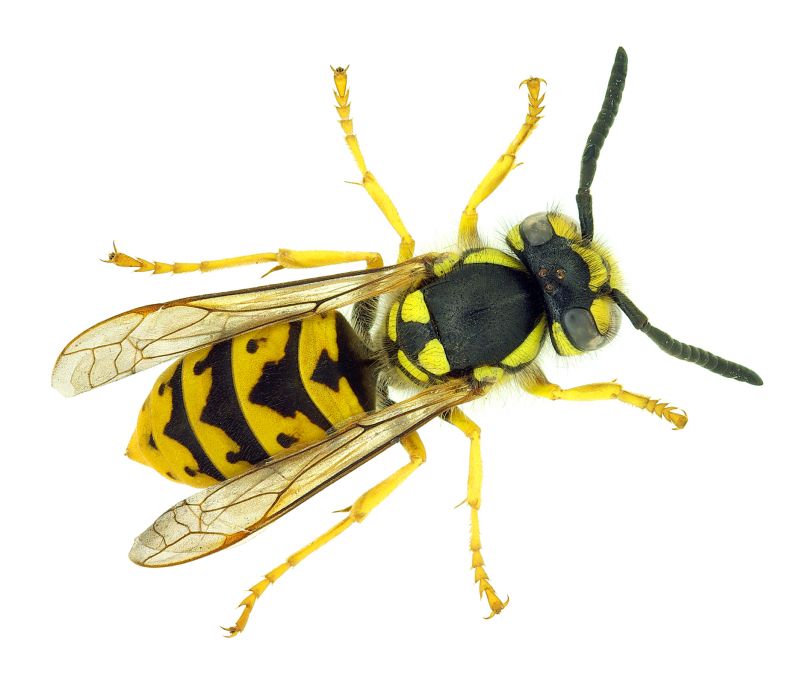
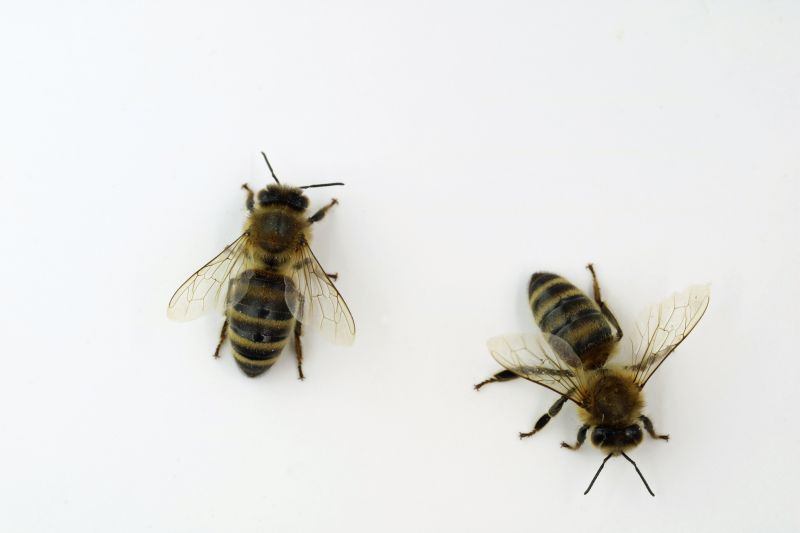
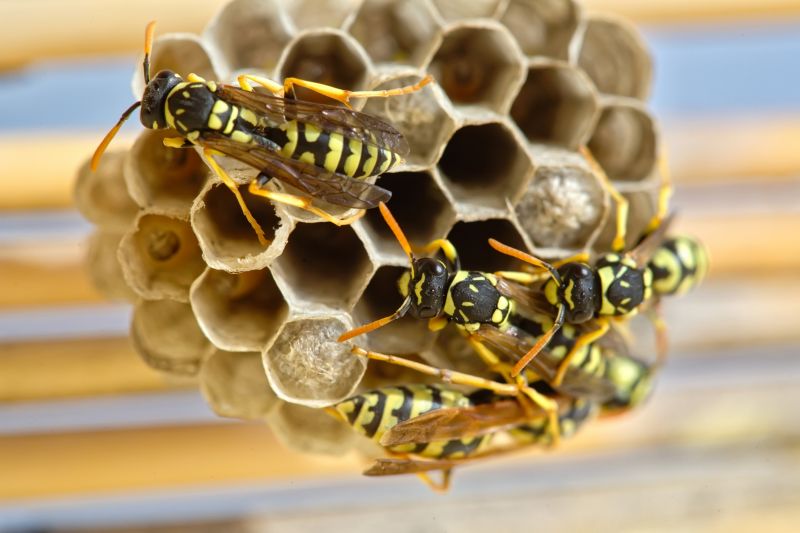
When people search for bees vs. wasps: understanding the difference for proper pest control, they are often trying to identify which type of insect is causing a problem on their property. This distinction is important because bees and wasps have different behaviors, nesting habits, and responses to removal or control methods. Homeowners may notice buzzing insects around their yard, in their eaves, or near outdoor activity areas and want to determine whether they are dealing with bees or wasps. Understanding these differences helps in choosing the right approach to safely and effectively handle the situation without unnecessary harm or risk.
This topic relates to a variety of property-related problems and plans, especially those involving outdoor spaces used for recreation, gardening, or relaxation. For example, a homeowner might want to remove a wasp nest from their porch or protect a hive of honeybees from disturbance. It also connects to pest management plans aimed at preventing stings, avoiding damage to structures, or preserving local pollinators. Proper identification ensures that the appropriate pest control methods are used-whether that involves humane removal, nest deterrence, or targeted extermination-reducing the risk of injury and environmental impact.
The types of properties most commonly involved in bees vs. wasps: understanding the difference for proper pest control include residential homes, especially those with yards, gardens, or outdoor living spaces. Commercial properties such as restaurants, outdoor cafes, and parks also frequently encounter these insects, particularly in warmer months. Structures like sheds, garages, and eaves are common nesting sites for wasps, while bees tend to establish hives in hollow trees, wall cavities, or underground. Knowing the property type helps local service providers determine the best course of action, whether that involves nest removal, hive relocation, or preventative measures to keep insects from returning.
For homeowners facing issues with bees or wasps, understanding the differences is a key part of planning effective pest control strategies. Local pros who specialize in bee and wasp removal can assess the specific situation, identify the insect type, and recommend safe, appropriate solutions. Whether it’s removing a wasp nest from a backyard or protecting a bee hive that contributes to pollination, these specialists have the experience to handle different scenarios. Connecting with the right service provider ensures that the problem is addressed efficiently, minimizing risks and supporting a safe outdoor environment for everyone.
Wildlife removal services - professionals handle the safe removal of bees and wasps from structures, requiring knowledge of nest identification and removal techniques related to pest control.
Pest inspection services - experts assess properties for bee and wasp activity, helping homeowners understand the differences and determine appropriate control measures.
Exclusion and sealing projects - contractors focus on sealing entry points to prevent bees and wasps from establishing nests, which is essential for long-term pest management.
Nest removal services - specialists safely remove nests of bees and wasps, emphasizing the importance of identifying species to ensure proper handling.
Structural repair services - providers repair damage caused by bee and wasp nests, which often involves understanding nest locations and species differences.
Insect identification services - experts identify various stinging insects, helping clients distinguish between bees and wasps for effective pest control strategies.
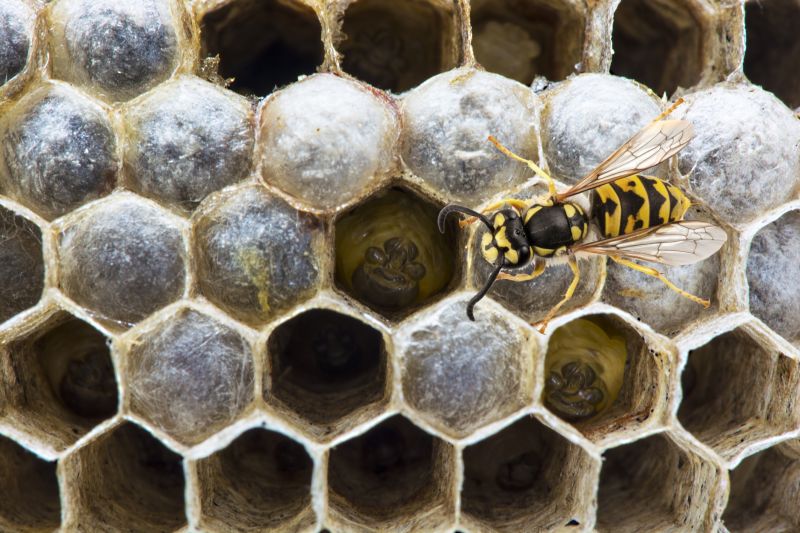
When comparing local contractors for bees vs. wasps: understanding the difference for proper pest control, it is important to consider their experience with similar projects. Homeowners should look for service providers who have a proven track record in handling bee and wasp removal or management. Experience matters because these pests can require different approaches, especially when dealing with active nests or colonies. A contractor familiar with the specific behaviors and habitats of bees and wasps can ensure that the pest control methods used are appropriate and effective, reducing the risk of complications or incomplete removal.
Clear written expectations are essential when evaluating local service providers. Homeowners should seek contractors who communicate their process, safety precautions, and any potential impacts on the property upfront. This clarity helps prevent misunderstandings and ensures that both parties are aligned on the scope of work. When comparing options, it’s beneficial to ask for detailed descriptions of how the contractor plans to identify and remove bees or wasps, and whether they will take measures to prevent future infestations. Well-defined expectations contribute to a smoother experience and help homeowners make informed decisions about which service provider is best suited for their needs.
Reputable references and good communication are key factors in selecting the right local contractor for bees vs. wasps: understanding the difference for proper pest control. Homeowners can ask service providers for references or reviews from past clients who had similar pest issues. This feedback can offer insights into the contractor’s reliability, professionalism, and effectiveness in managing bee and wasp problems. Additionally, open and responsive communication during the initial consultation indicates that the contractor values customer concerns and is willing to provide thorough explanations. Choosing a provider who demonstrates transparency and attentiveness can lead to a more satisfactory pest control experience, ensuring that the specific needs of bees and wasps are addressed properly.
Property owners often search for bees vs. wasps: understanding the difference for proper pest control when they are planning practical projects around their homes and businesses. Local pros provide Bee and Wasp Pest Control services for everyday jobs and straightforward project options.
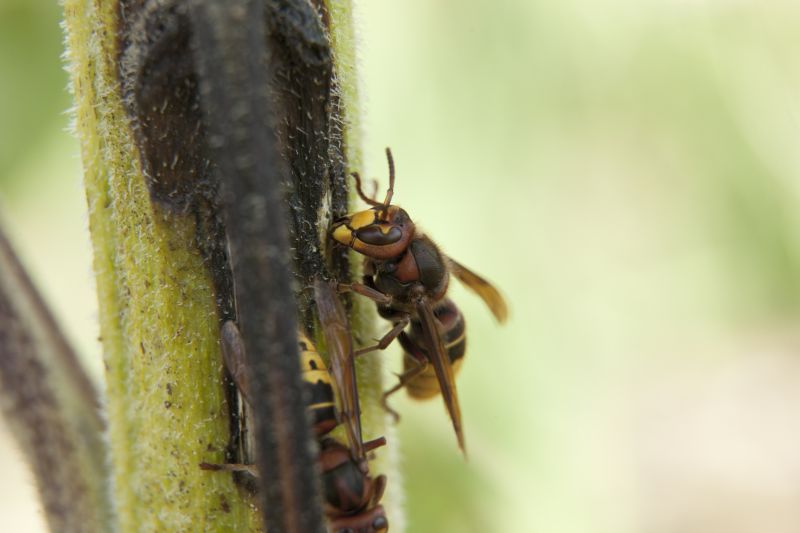
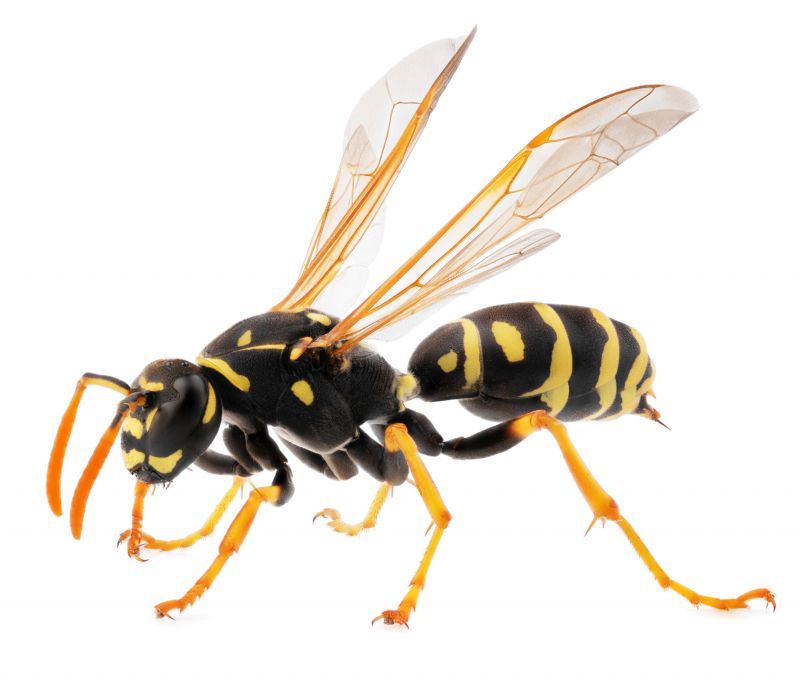
Understanding the differences between bees and wasps is important for property owners dealing with unwanted insect activity. Bees are typically more docile and tend to gather around flowers or hive areas, while wasps are often more aggressive and tend to build nests in sheltered spots like eaves, shrubs, or ground burrows. Recognizing these distinctions can help property owners determine whether a pest problem involves bees or wasps, which is essential for choosing the appropriate pest control approach. When dealing with a nest or swarm, enlisting the help of local contractors who specialize in bee and wasp pest control ensures that the situation is handled safely and effectively.
Many property owners seek professional assistance to address bee and wasp issues because attempting removal without proper knowledge can be risky. Local service providers are experienced in identifying the type of insect involved and selecting the right methods for removal or deterrence. Whether it’s a hive that needs to be carefully managed or a wasp nest that requires targeted removal, connecting with local pros ensures the job is done correctly. Proper identification and treatment help prevent future problems and protect the safety of residents and visitors.
What is the main difference between bees and wasps? Bees are typically fuzzy, have thicker bodies, and are often covered in pollen, while wasps have smooth bodies and are more streamlined. Recognizing these differences can help determine the appropriate pest control approach.
Why is it important to distinguish between bees and wasps for pest control? Proper identification ensures that service providers use the correct methods, as bees are generally protected and may require different handling compared to wasps, which are more aggressive pests.
Can local pest control contractors safely remove bee nests? Yes, experienced service providers can safely remove or relocate bee nests when appropriate, while wasp control may involve different removal techniques to address their aggressive behavior.
Are wasps more aggressive than bees? Yes, wasps tend to be more aggressive and are more likely to sting if disturbed, making professional removal important to prevent stings and ensure safety.
How do pest control services handle bee and wasp infestations differently? Service providers assess whether the insects are bees or wasps and then apply targeted removal or deterrent methods suited to each, ensuring effective and safe pest management.
Identify pest type accurately - understanding the differences between bees and wasps helps property owners work with local contractors to choose the appropriate removal methods.
Prevent future infestations - implementing targeted exclusion and removal strategies with local pros can reduce the likelihood of bees or wasps returning.
Ensure safe removal procedures - knowing whether a nest contains bees or wasps guides property owners in coordinating with service providers for safe and effective removal.
Protect pollinators and property - understanding bee behavior and wasp nesting habits allows local contractors to recommend solutions that safeguard beneficial insects while controlling pests.
If you are thinking about bees vs. wasps: understanding the difference for proper pest control for a property, this guide is meant to help you understand this topic, the typical project types, and how different options might fit your plans.
When you are ready, you can use the quote form on this page to share a few details about your project. From there, local pros can review the basics and follow up with options that match what you have in mind.